Create a new reality!
Watch the video to learn why students choose the XR field and what professionals already working in the industry say about it.
10+
Areas of human activity
Virtual reality is already changing the world. VR/AR is used in medicine, education, industry, and entertainment.
27%
Annual growth
VR/AR technologies are developing rapidly. The number of vacancies in this field is growing faster than in most IT areas.
100+
Billion-dollar market
Expected market volume of VR/AR in the next 5 years. Global giants – Apple, Meta, Google, and Microsoft are investing in virtual reality.
Bachelor’s degree program:
Computer Science (Virtual Reality Systems)


First in Ukraine
Lviv Polytechnic, together with the Lviv IT Cluster, launched a unique educational program that combines classic IT training with specialized competencies.Real projects
Semester practical coursework, team projects, prototype development.Cooperation with IT companies
Guest lectures, internships, hackathons, industrial mentoring.Who is this program for
Creative soul
Do you love drawing or creating something beautiful and unusual? Bring your ideas to life in visual effects, 3D graphics and animation. Create virtual worlds and exciting games that immerse you in a new reality.
Analytical mind
Do you like mathematics, logic and programming? Do you love when "everything works right"? Write code, work with sensors, cameras and computer vision algorithms. Create VR/AR applications for business and entertainment.
Interested in everything new
Do you love experimenting, learning something new or changing the rules of the game? Develop new approaches to the digital transformation of our lives. Create innovative startups that shape the future.
What you will study
The program combines programming, 3D modeling, XR, artificial intelligence and creativity.
- Higher mathematics
- Physics
- Probability theory and mathematical statistics
- Fundamentals of artificial intelligence
- Cloud technologies and distributed computing
- 3D modeling
- Architecture of virtual reality systems
- Creating virtual worlds
- Graphics programming
- Creating game content
- Creating user interfaces for VR/AR systems
- Fundamentals of game development
- Game design
- Developing applications for mobile platforms
- Video and audio processing
- Artificial intelligence in the creative industry
- Innovation and startups
- Business analysis of VR/AR solutions
- Real-time data processing
- Internet of Things and digital twins
- Augmented reality programming
- Web application development
- Security of VR/AR systems
- Computer vision
- Continuous integration and deployment of software solutions
What you will work as
After graduation, choose the position that suits you best – and bring the boldest projects to life.
Develop augmented and virtual reality systems and integrate them into different areas of human activity. Research and improve VR/AR technologies, develop new ways of interaction, including voice and gestures
Your salary: $2400–4500
Develop computer vision systems for object recognition and interaction with them
Your salary: $3200–6500
Develop games for studios, and bring your own ideas to life as an independent developer
Your salary: $2000–4000
Create three-dimensional models for games, films, advertising and medical simulations
Your salary: $1800–3500
Design user interfaces for systems that change reality.
Your salary: $1500–3000
Develop interactive mobile and web apps that use immersive technologies.
Your salary: $2000–4200
Use cloud platforms to deploy and manage VR/AR systems
Your salary: $2100–5000
Make the right choice
Don’t miss your chance to join the creation of innovation. Start a successful career in XR, game development, digital transformation, and startups.
Learn more
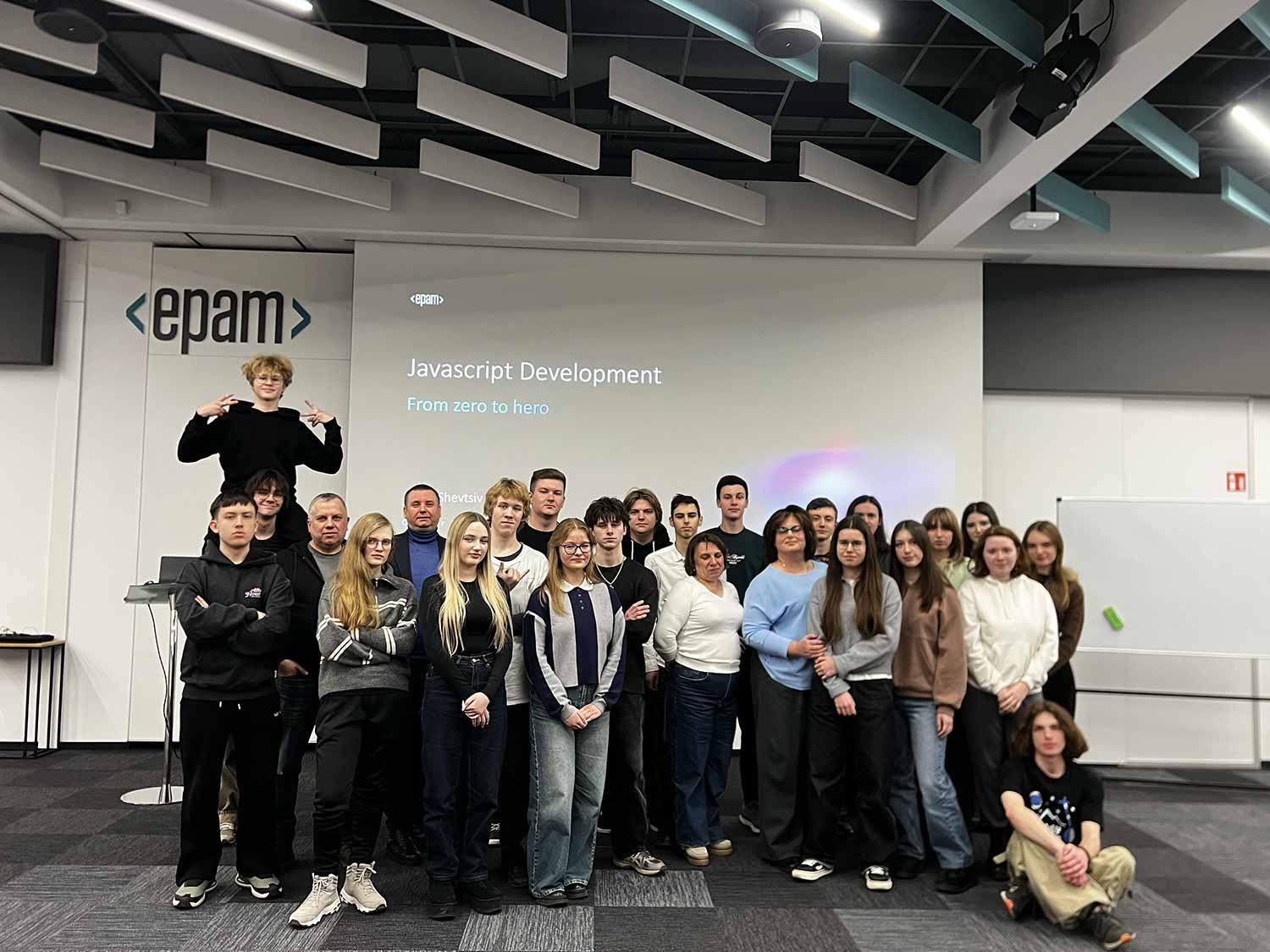
Watch videos and photos showing how studying works in the Computer Science (Virtual Reality Systems) educational program:
- Student testimonials
- Projects created by students
- Learning outside the classroom
Try it right now
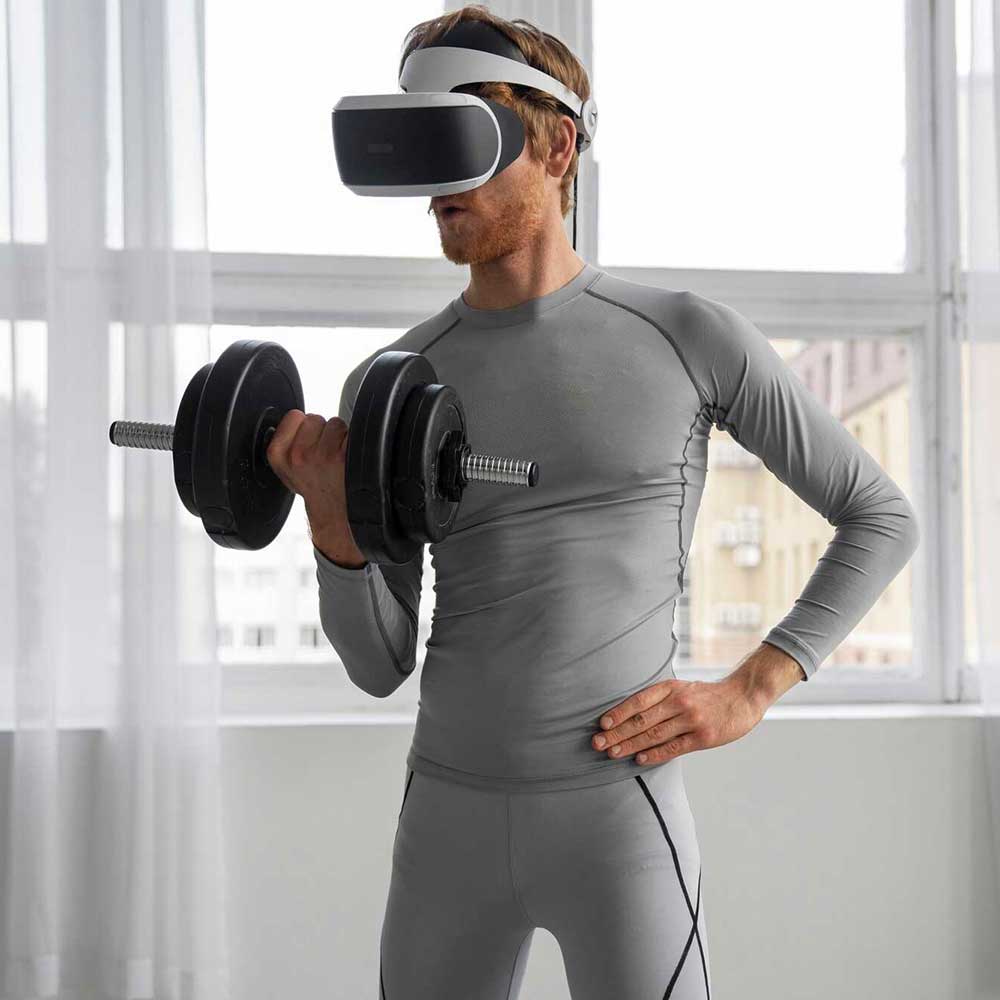
Check out real projects you’ll be able to build during your studies.
- Workout trackerCounts exercises through a camera in real time
- Interactive pysankaCreate a 3D pysanka and place it in your room (AR)
- Tremor diagnostics systemAnalyzes patient movement with computer vision
News
The future belongs to AI and XR!
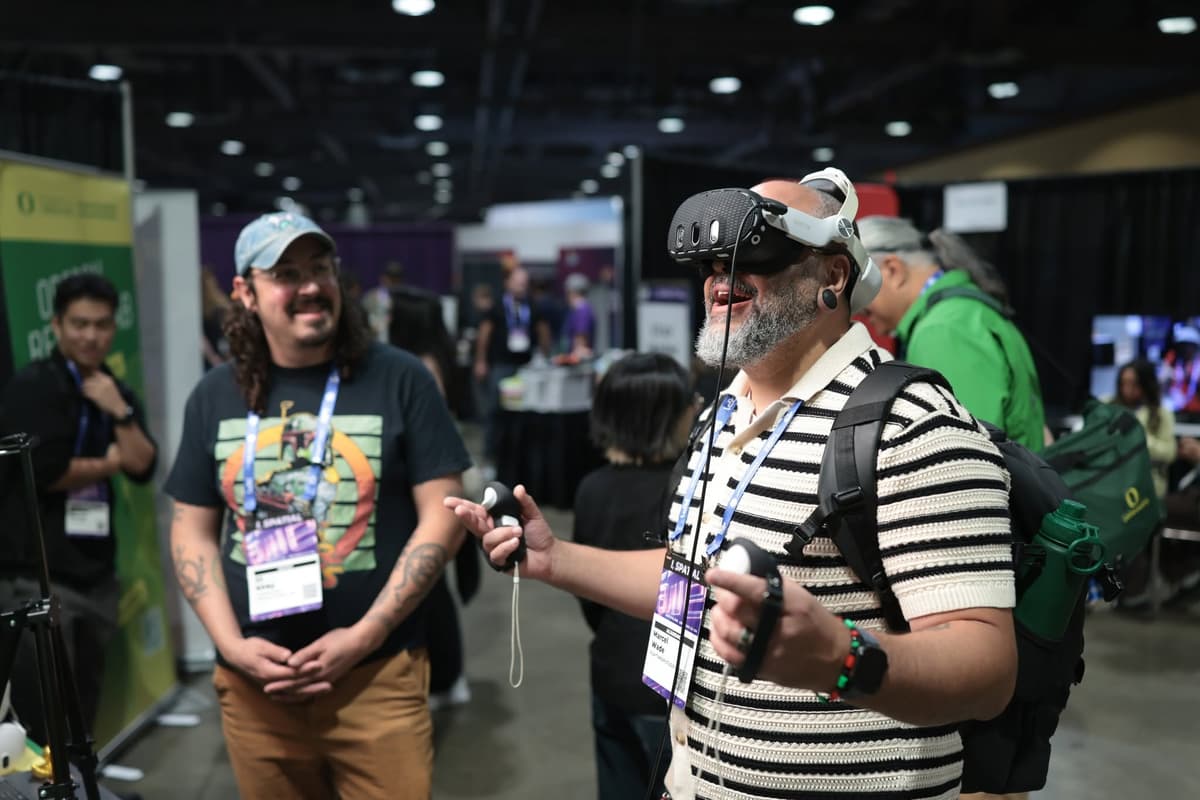
At the biggest XR conference AWE USA 2026, they showed how AI and XR together are shaping the future of technology. From games to smart glasses, digital twins and robotics — the innovations are impressive!
The grand prize is ours!
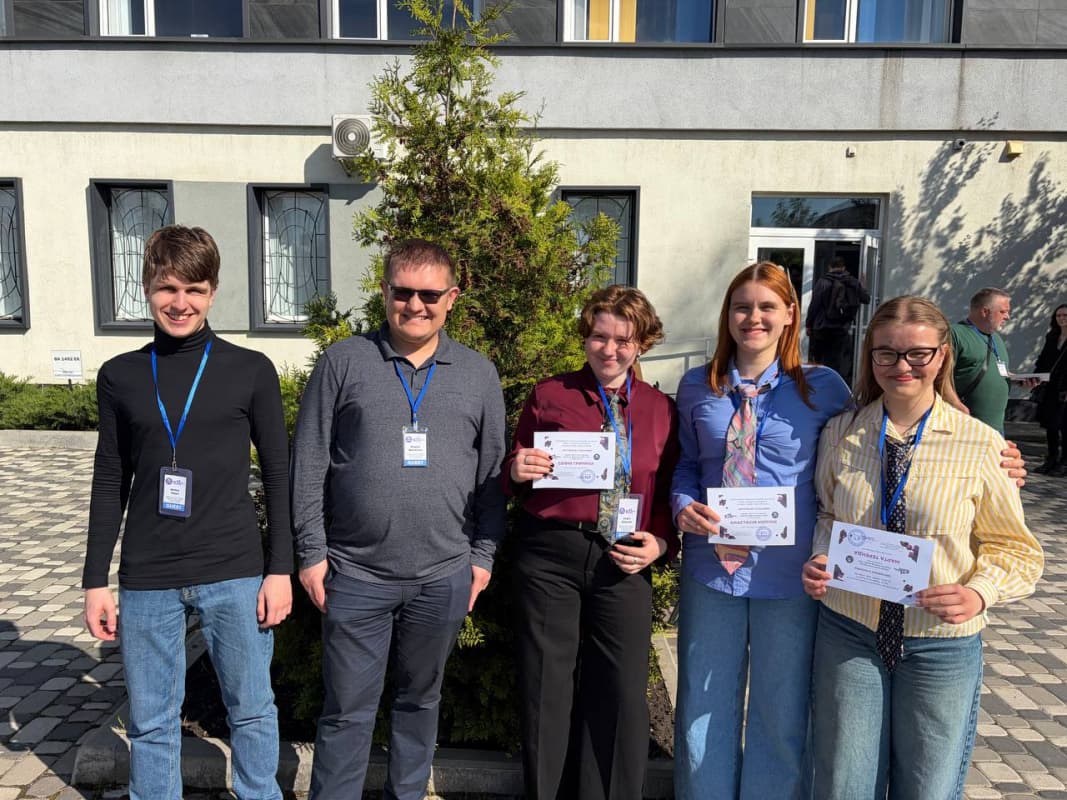
Students of the Department of Virtual Reality Systems won the all-Ukrainian scientific and practical seminar “Gamedev Education in Ukraine”–2026!
What should you learn today to stay in demand on the job market?
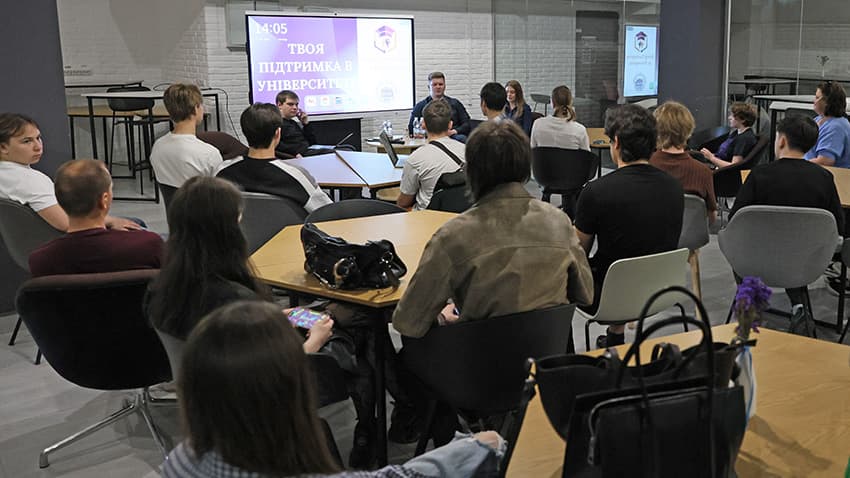
That was the topic of the panel discussion “From idea to XR”, which brought together industry representatives, faculty members and students from different specialties.